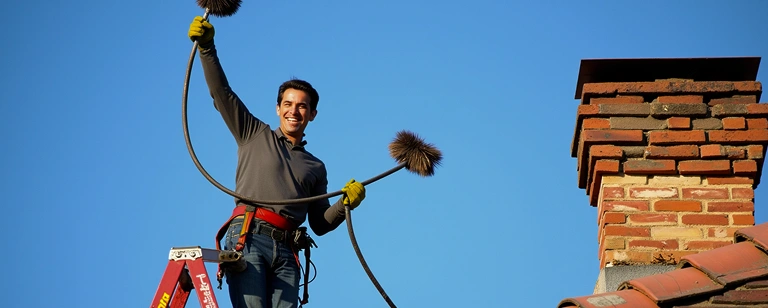


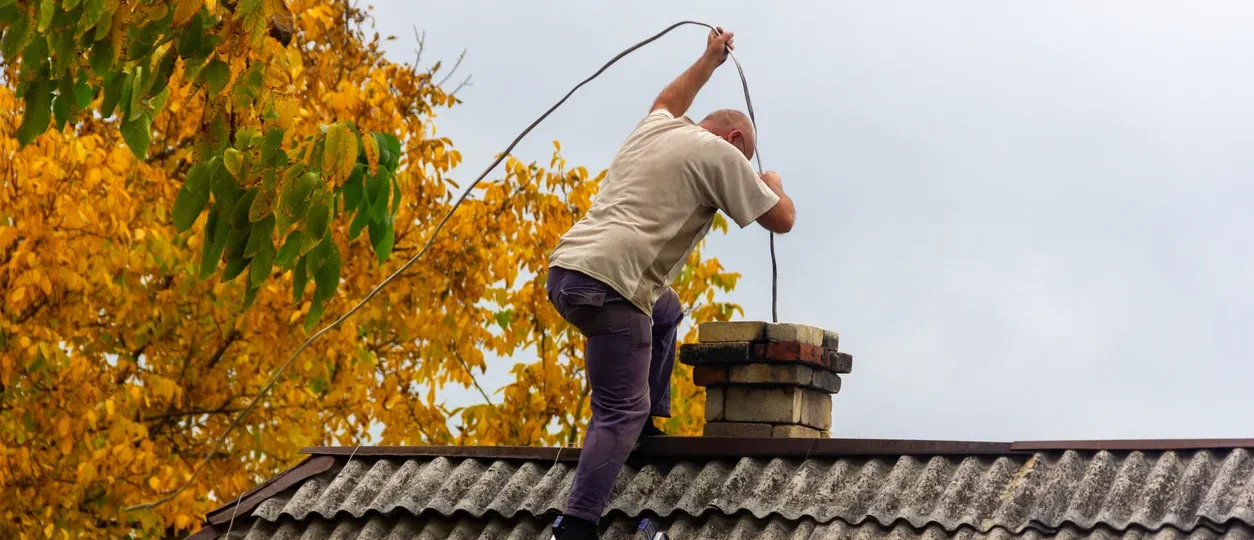
Why Chimney Cleaning Is Essential
Chimney cleaning isn’t something homeowners think about often, but it’s essential to home safety and your own well-being. Why is chimney maintenance so important? There are several reasons.
First, proper cleaning improves heating efficiency. Proper airflow and ventilation help ensure that wood and other fuel burn as thoroughly as possible and produce maximum heat. In short, a clean and well-functioning chimney means that you’ll spend less money and effort heating your home.
Cleaning can also benefit your health by removing creosote and other debris that can pose health hazards, including breathing problems and long-term risks. And most importantly: proper cleaning will ensure you’re safe at home. Removing flammable material that accumulates reduces the risk of house fires, while clearing blockages prevents carbon monoxide buildup.
What You’ll Need
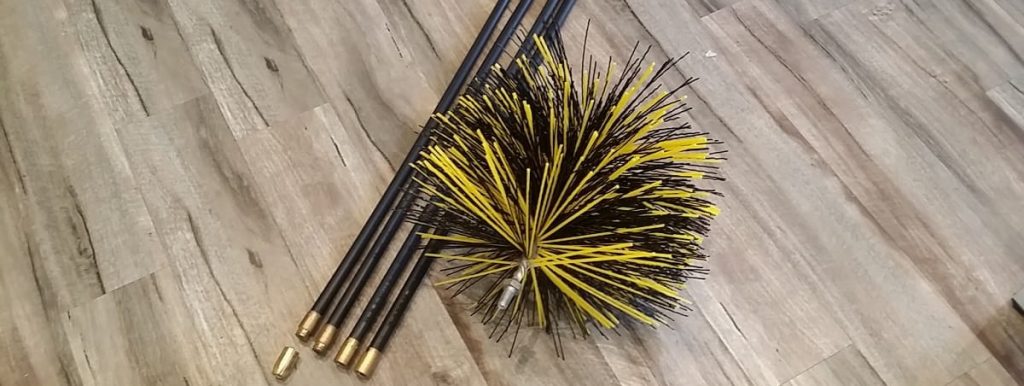
- Chimney brush: You’ll need a chimney brush to sweep inside the flue. The material to use depends on your chimney (e.g. metal bristles for a clay flue liner or plastic bristles for a metal flue liner), and should match the size of your flue.
- Extension rods : These rods attach to the chimney brush, allowing you to reach deeper into the chimney and around tight corners in the structure.
- Drop cloths or tarps : You should lay a drop cloth indoors near your fireplace to catch soot, dust, and debris that fall out of the chimney during cleaning.
- Fireplace cover: You can also seal off your fireplace to contain debris — purchase an appropriate cover and ensure a tight seal.
- Gloves : Gloves don’t just keep your hands clean — they’re also important to your safety, protecting you from hazardous substances and sharp objects. Be sure to use strong work gloves for maximum protection.
- Dust mask : A dust mask protects you from inhaling dangerous airborne particles like soot, dust, and creosote, an N95 respirator, at minimum, is ideal.
- Eye protection: Wearing safety goggles will protect your eyes from debris and irritation — be sure to choose a set with a tight seal.
- Flashlight: A flashlight will help you inspect the chimney and see where cleaning is most needed. Consider not just brightness but also usability: a standing magnetic flashlight or a headlamp will make hands-free lighting easier.
- Vacuum: It’s important to use a specialized ash vacuum when cleaning indoors — especially one that offers heat resistance and specialized HEPA filters.
- Ladder: Last but not least, a sturdy ladder will help you reach the rooftop — consider a safety harness to prevent falling when working on high chimneys.
- Disposal bin: A metal bin or bucket is ideal for disposing of soot and debris.
- Chimney cleaning kit: Pre-assembled kits provide brushes, rods, gloves, plastic sheets, and other tools in one convenient package.
Step-by-Step Cleaning Process
Step 1: Preparation
Before starting cleaning, gather tools and protective gear and set up equipment such as safety harnesses, ladders, and vacuums. Remember to lay out tarps or sheets to protect your floor and furniture, and seal off your fireplace if you have a proper cover.
Above all, ensure that the site is safe to work at: make sure you’ve waited for the chimney to cool since its last use, ensure proper ventilation, and make sure all safety equipment is in working order without any significant risks. It’s a good idea to refer to documentation to ensure proper use, both for your chimney itself and for equipment such as vacuums and respirators.
Step 2: Inspection
Before you start cleaning your chimney, you should closely inspect it to determine which areas need the most attention. Basic inspection involves looking for blockages and buildup to remove. However, you should also look for structural damage and check the overall condition of the chimney, which might point to a need for professional service.
Step 3: Cleaning the Chimney
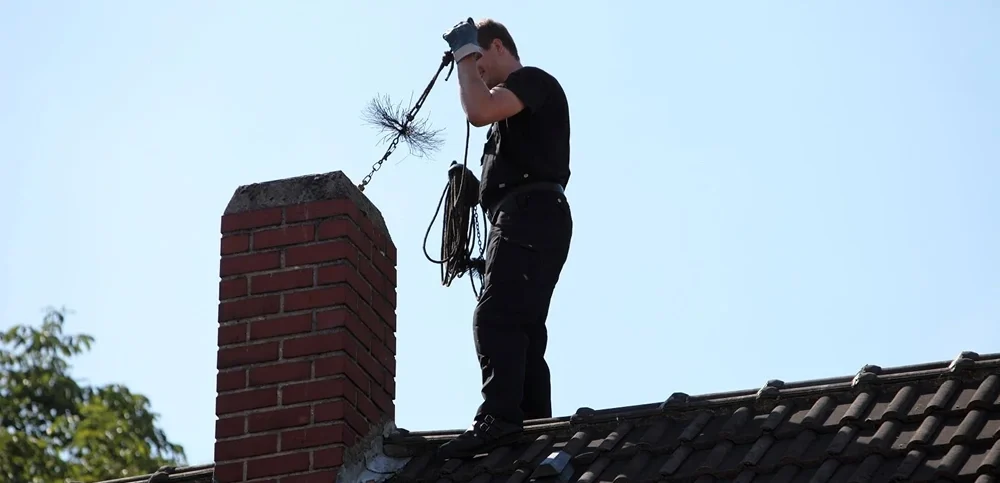
Cleaning is straightforward. Once on the roof, remove any cap or coveringand brush the inside of the flue from top to bottom. Continue to clean until debris has fallen away, and inspect the results using your flashlight or headlamp. Note that in larger fireplaces, it’s possible to stand inside the fireplace and clean from the bottom up — a good option when heights pose an issue.
Regardless of the approach you choose, you’ll need to gradually extend the brush by adding extension rods to reach deeper into the chimney.
Step 4: Cleaning the Fireplace or Firebox
Once you’ve scrubbed the chimney, you’ll need to clean the fireplace. You can sweep up large debris with a broom or dustpan, but it’s important to use a proper vacuum to safely remove hazardous materials in and around the fireplace. Be sure to wear protective gear even at this stage.
Step 5: Final Inspection
After cleaning, you should do a final inspection. Check that you’ve cleaned thoroughly, replaced caps, and that everything is in working order. It’s also a good idea to check for damage in case you need further repairs or maintenance. It can be hard to do this on your own, so you may choose to call an expert.
Step 6: Dispose of Debris
It’s important to dispose of all debris safely. Empty the vacuum bag, dustpans, and brush off your clothes. Keep waste and debris in metal or other suitable containers until it’s time to finally dispose of them.
Final disposal should be done in line with local requirements. In some locations you may be able to dispose of debris with regular trash, but in other places you may need to take it to a waste disposal site.
Safety Tips and Precautions
- Never use flammable cleaning agents: When purchasing cleaning agents, ensure that they’re non-flammable. Most products marketed for chimney cleaning aren’t flammable, but it’s best to double-check.
- Don’t clean a chimney when it’s still hot: Wait at least 24 hours from your chimney’s last use before cleaning — the structure and creosote deposits may retain heat, and waiting will reduce the risk of burns.
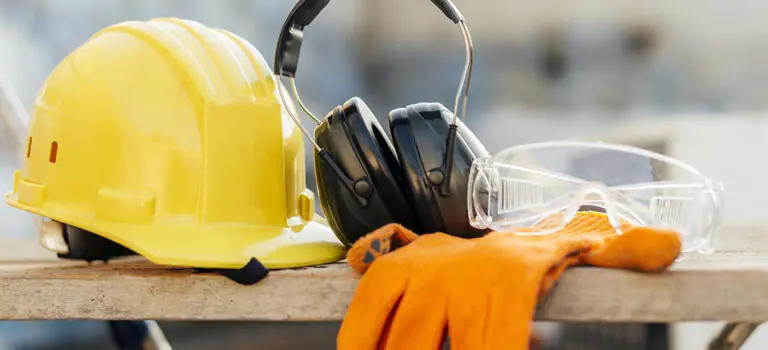
- Wear appropriate protective gear: Full clothing, strong work gloves, an N95 respirator, and a safety harness can protect you on the job.
- If uncomfortable using a ladder, hire an expert. Don’t put yourself at unnecessary risk by climbing complex buildings and rooftops.
- Be mindful of carbon monoxide buildup: Blockages can release built up carbon carbon monoxide (CO), a dangerous gas that can’t be seen or smelled. Work under ventilation and ensure that working CO detectors are installed in your home to detect CO during and after cleaning.
When to Call a Professional
You can clean your chimney on your own — but let’s be honest, sometimes DIY jobs aren’t always easy to do thoroughly and effectively.
It’s a good idea to call a professional, especially in case of:
- Heavy creosote buildup
- Damage to the chimney structure
- Problems in chimney function
- Other difficulties or challenges
- Anticipated modifications and repairs
Homeowners should schedule a professional chimney inspection annually. At AirShield, we provide standard chimney cleaning services alongside advanced treatments like repairs, relining, waterproofing, and cap-and-crown installations, revitalizing your home far beyond what a simple DIY chimney cleaning can accomplish.
With free estimates and free follow-up service if you’re not satisfied on our first visit, you can be sure we’ll meet your expectations.
If you live in the New York tri-state area, including but not limited to White Plains, Yonkers, and Scarsdale, contact AirShield for your next chimney cleaning or see our New York service area map.
We also serve residents in Texas, Florida, New Jersey, and Connecticut and additional states nationwide. For service requests outside New York, please submit a request on our homepage and enter your ZIP code.
Call for an Appointment Today
Chimney cleaning is an essential part of home upkeep and safe living.
It’s possible to do it yourself with the right materials and knowledge, but experts can make things easier — at just a little cost, professional cleaning can provide superior results and greater peace of mind.
If you live in the New York area, contact us at AirShield. We offer not just chimney cleaning but also air duct cleaning in the same regions.